REVIEW · LOIRE VALLEY CHATEAUX
Chambord: Entry Ticket to the Castle
Book on GetYourGuide →Operated by Distributor: GetYourGuide Tours & Tickets GmbH · Bookable on GetYourGuide
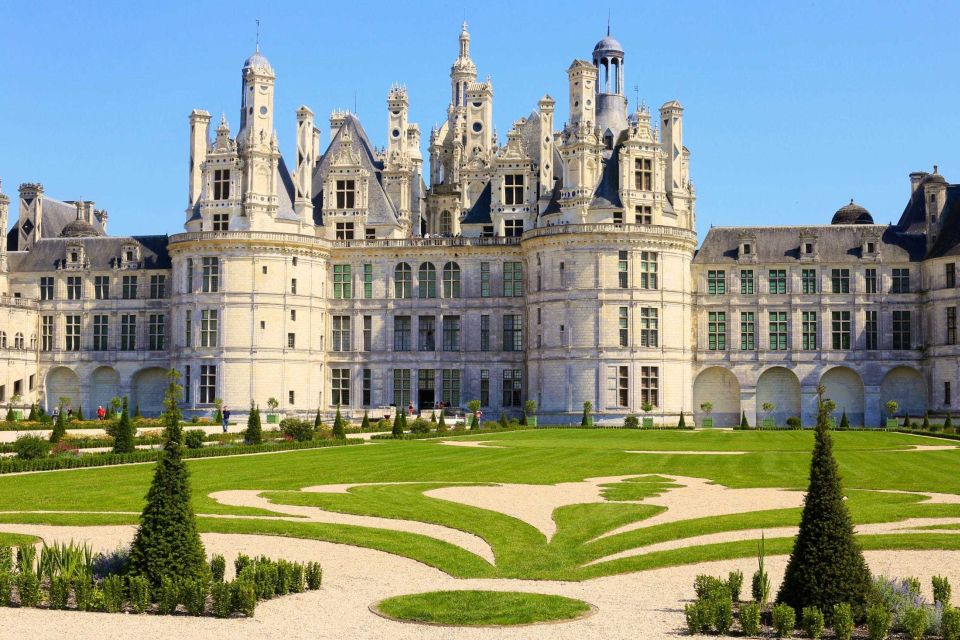
Chambord is pure French Renaissance drama. With this entry ticket, you get to experience one of the world’s most recognizable châteaux in the Loire Valley—skip-the-line to the ticket counter included—then follow the castle route through rooms, stairs, and views that feel almost impossible to build.
I love the sheer exterior scale and detail: towers, domes, pinnacles, and that instantly familiar silhouette. I also love that your ticket brings you more than 60 rooms plus access to temporary exhibitions, with extra context via a short film and the free visitor guide.
One possible drawback: parts of the interior can feel sparse or less finished than the dramatic outside, and you’ll need to work around timed closing windows—last access is 30 minutes before closing and the formal gardens shut 30 minutes earlier.
In This Review
- Key things to know before you go
- Why Château de Chambord feels larger than life
- Skip-the-line ticket: what it saves you (and what it doesn’t)
- Entering the castle route without getting turned around
- The castle inside: 60+ rooms, hundreds of stairs, and lots of “how did they do this?”
- Don’t miss the double-helix staircase
- Temporary exhibitions: the included bonus worth planning for
- Gardens and the big park: where Chambord turns into breathing room
- Timing and last entry: the simple rule that saves your day
- Price and value: is $24 worth it for a 1-day visit?
- What kind of traveler should book this?
- Should you book this Château de Chambord entry ticket?
- FAQ
- Is this ticket for a single day?
- What does skip-the-line mean here?
- Where do I start the activity?
- When is the last time I can enter?
- Do the gardens close at the same time as the château?
- Are there free entry options?
Key things to know before you go
- Skip-the-line is limited: it saves you at the ticket counter, but security lines still apply.
- You’re on a timed route: there’s a designated visit path with separate entry and exit.
- The double-helix staircase is the star: two staircases wrap around the same side without crossing.
- Leonardo da Vinci’s influence shows up in the design story: the architecture is framed around his spirit.
- Temporary exhibitions are included: you’re not stuck doing only the permanent rooms.
- Plan for real distance: parking is set back, and you should expect a walk plus possible delays from security checks.
Why Château de Chambord feels larger than life
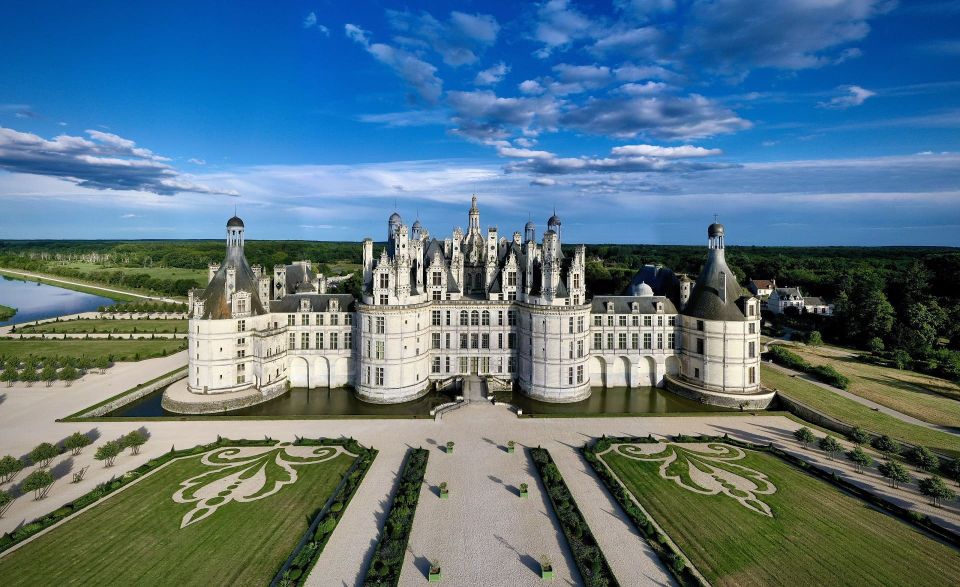
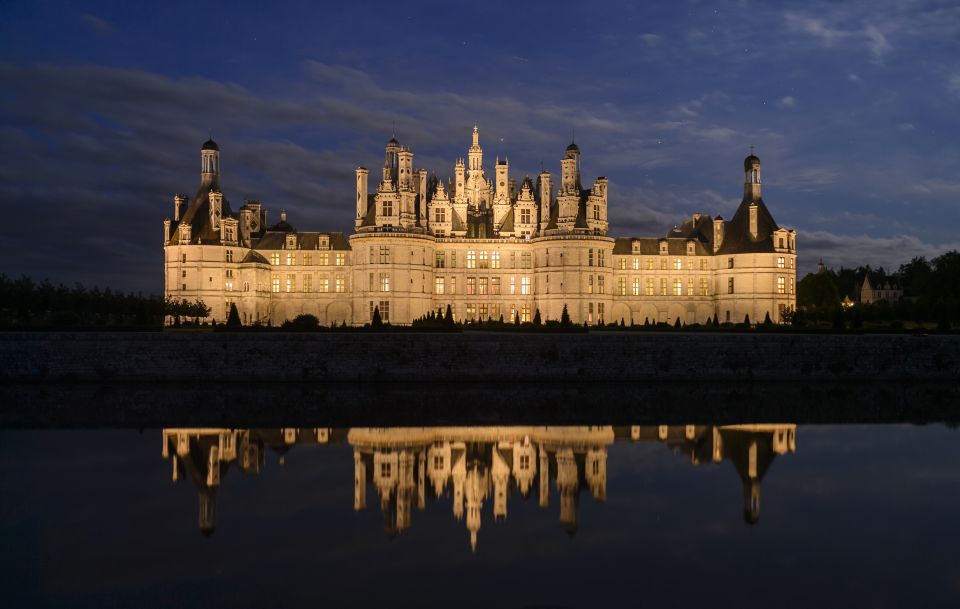
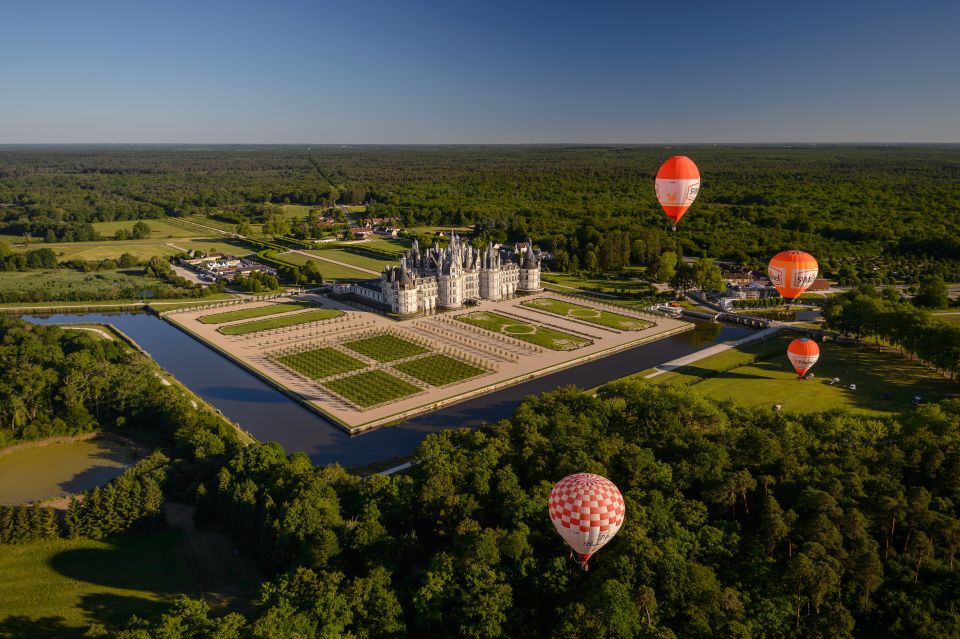
Château de Chambord doesn’t ease you in. It hits you fast, with a skyline that looks like someone translated a dream into stone: multiple towers, pointed domes, and a forest of ornate details. Even before you step inside, the castle’s shape tells you why people treat it like a must-see in the Loire Valley.
What I appreciate most is how the design keeps rewarding curiosity. From different angles, you’ll see new lines and volumes—so yes, it looks great in photos, but it’s also impressive in person because you can actually follow the architecture. The ticket also frames the castle with the story of its French Renaissance ambition, including the way the spirit of Leonardo da Vinci is woven into the viewing experience.
A few more Loire Valley Chateaux tours and experiences worth a look

Skip-the-line ticket: what it saves you (and what it doesn’t)
This ticket is marketed as skip-the-line, and it’s worth understanding how that works. You’ll skip the line only to the ticket counter. Security checks can still slow you down, so don’t plan on breezing through in 2 minutes flat.
That said, saving time at the counter is still a win, especially in peak season. Many people burn time standing where you don’t need to stand. A few practical habits help: go early if you can, and give yourself buffer time for security.
If you’re driving, remember that parking involves a transaction at automatic terminals and then a walk. One review also flags that metal items (like knives) may not be allowed in the grounds, so pack smart and keep security in mind.
Entering the castle route without getting turned around
Chambord is big, and the castle doesn’t want you wandering freely. There’s a designated visit route through the interior, with a separate entry and exit. Translation: you can’t just stroll wherever you feel like it, and you shouldn’t count on “I’ll wing it and see everything” unless you move with purpose.
The easiest way to keep this from feeling stressful is to get oriented immediately after you enter. Use the free visitor guide and take a moment with the map so you don’t accidentally prioritize the wrong parts. In my experience, this kind of planning pays off at Chambord because the route rewards momentum—you’ll keep finding stairs, balconies, and architectural details that you’d otherwise miss.
You’ll also have the option of a 20-minute film about the castle’s history and architecture, translated into English, Italian, Spanish, and German. It’s a great choice if you like context before you start climbing.
The castle inside: 60+ rooms, hundreds of stairs, and lots of “how did they do this?”
The most useful way to think about Chambord interior access is not as “one museum room after another,” but as a living architecture walkthrough. Your ticket gives you access to more than 60 rooms, and the castle’s design is packed with vertical movement—think high ceilings, towers, and staircases in large numbers.
The exact stats you’ll hear on-site are eye-opening: 400 rooms, over 80 staircases, 365 fireplaces, and an exceptional number of towers and domes. Even if not every single item is “in front of your face” at once, those numbers change how you view the building. You start noticing repeated shapes, patterns, and the way corridors funnel you upward.
One practical warning from experience: the inside can feel different than the outside. The front is often described as dramatically ornate, while other perspectives can seem flatter or less showy. Some visitors also find the interior furnishings limited or the restoration uneven. That doesn’t ruin the visit—it just changes expectations. Come for architecture, scale, and craftsmanship, not a fully decorated palace interior.
Don’t miss the double-helix staircase
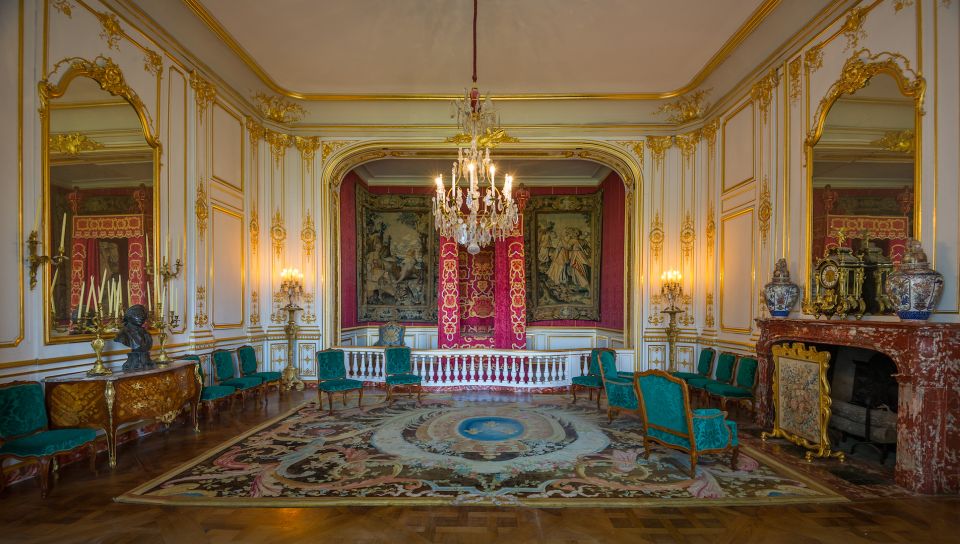
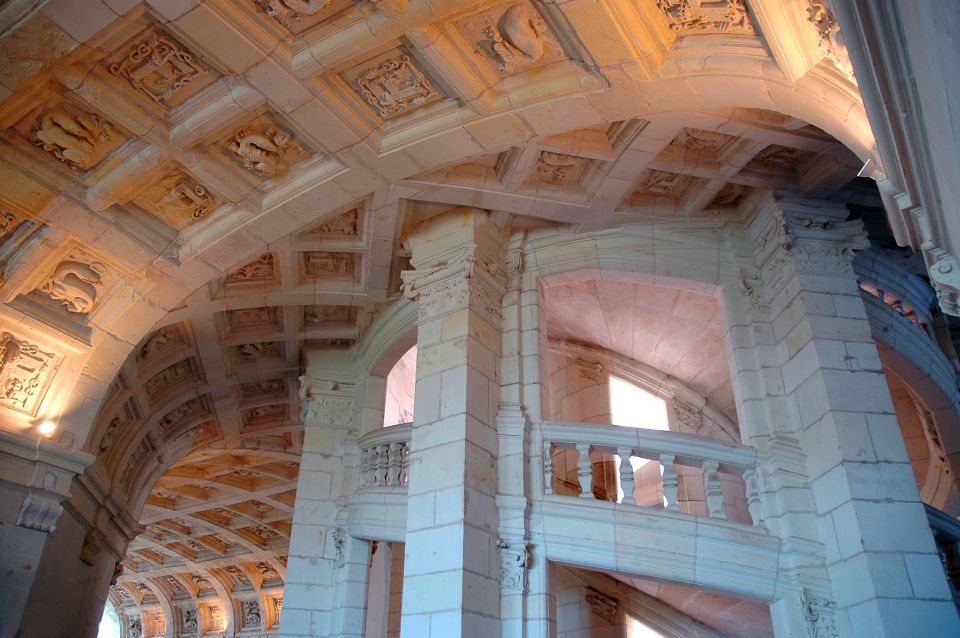
If you only remember one architectural feature from Chambord, make it the double-helix staircase. This is the famous one: two staircases wrapping around on the same side without crossing. It’s the kind of design that makes you stop walking because your brain wants to trace where people would go.
What makes this feature so satisfying is that it’s visual logic. You can see how the structure is organized, and once you’ve caught the idea, other parts of the castle feel more coherent. The staircase also gives you an excuse to slow down and check viewpoints—because Chambord is full of them.
Bonus: the upper levels and balconies are where the castle starts behaving like a lookout. Several visitors highlight beautiful views of the gardens from above. If you like photos, this is your best payoff zone, and if you like architecture, it helps you understand the geometry of the site.
Temporary exhibitions: the included bonus worth planning for
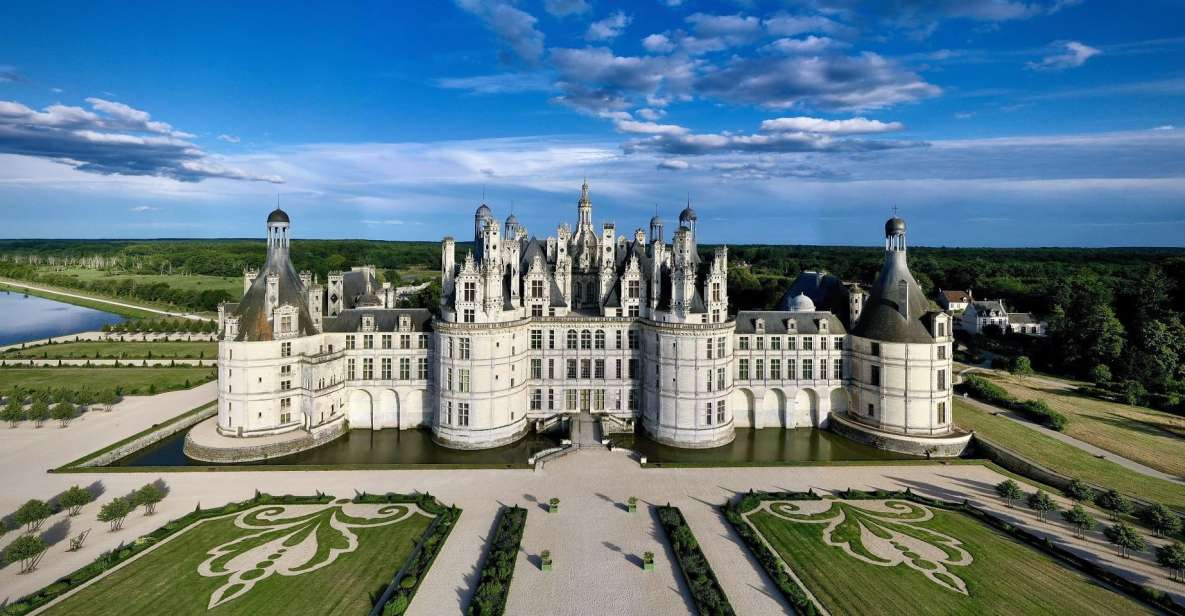
Your ticket includes access to temporary exhibitions. This matters because it changes the feel of your visit: instead of only chasing permanent rooms and repeating corridors, you get at least one chance to experience a different angle on the castle—sometimes linked to art, design, or historical interpretations.
Practically, plan to spend enough time to actually see at least one exhibition space without rushing. If you only follow the permanent route at full speed, you might end up with “I passed it but didn’t look.” At Chambord, that’s the difference between a good visit and a satisfying one.
Gardens and the big park: where Chambord turns into breathing room
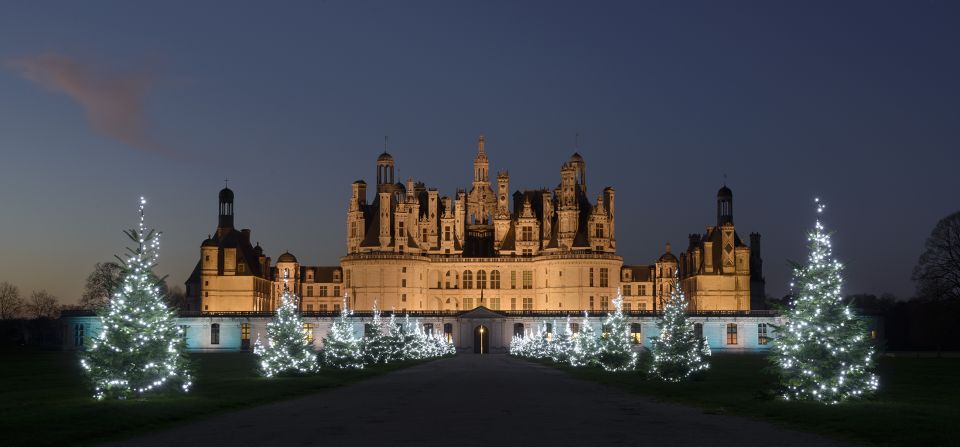
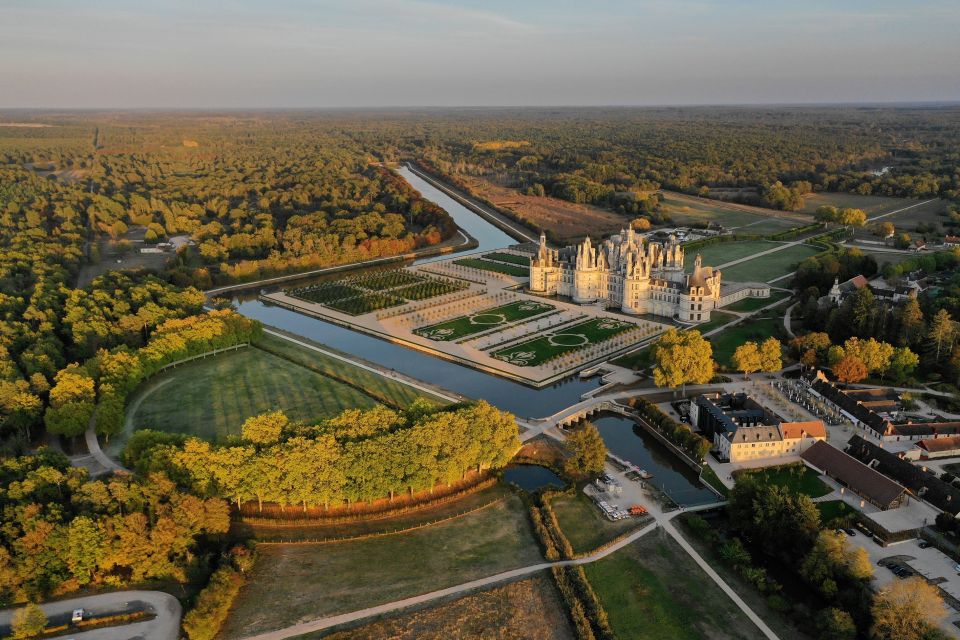
Outside the château, the grounds spread across 5,000 hectares. That’s not a typo-size amount of space. Even if you don’t walk every path, the scale helps you understand why Chambord feels less like a cramped palace stop and more like a place set aside.
But there are timing rules you should know. The formal gardens close 30 minutes before the castle. So if you want those garden views, don’t save them for the very end. Build them into your plan earlier, especially if you’ll be returning from viewpoints inside.
If you’re traveling as a family or you just want to see more without burning out, you might find it helpful to move around quickly between points of interest. One reviewer suggests biking around the property as a future upgrade; even if you don’t do that, the point is clear: the grounds are big enough that “just wander” can turn into “where did the day go?”
Also, if you’re arriving at the site in the morning, you may find the crowds smaller. One review notes arriving around 9:30 a.m. helped.
Timing and last entry: the simple rule that saves your day
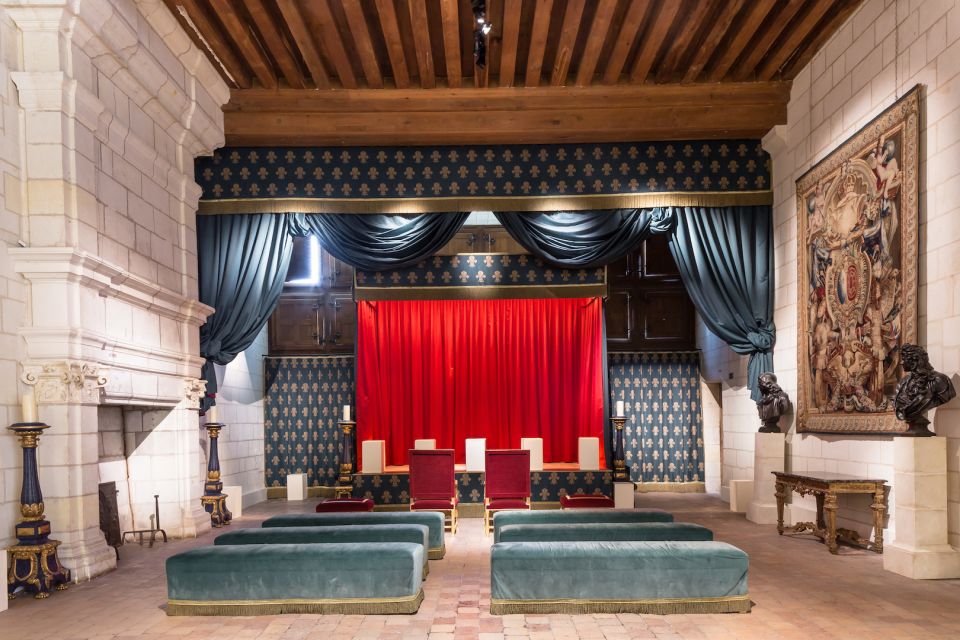
Chambord is run on a real schedule. Here’s the rule that keeps your visit from turning into a sprint: last access is 30 minutes before the castle closes.
That includes the fact that you’re on a visit route with a separate entry and exit. If you arrive late or spend too long at a single staircase or balcony viewpoint, you can trap yourself near the exit zone when you still want to see more rooms.
So I’d treat the castle route like this:
- Do the must-see architecture first (staircase, towers/viewpoints).
- Then work your way through rooms and exhibitions.
- Keep the gardens as a planned chunk, not an optional last-minute add-on.
Price and value: is $24 worth it for a 1-day visit?
At about $24 per person, this ticket is priced like a top-tier château experience. The real value comes from what you actually get:
- entry to one of the most recognizable châteaux in the world
- access to more than 60 rooms
- included access to temporary exhibitions
- skip-the-line entry to the ticket counter
If you’ve ever spent time stuck behind people at a ticket kiosk, you already know why that small “only to the ticket counter” detail matters. It won’t erase all waiting, but it can shave off a chunk of friction.
Also, Chambord isn’t just a quick photo stop. The interior is packed with stairs, views, and architectural surprises, and the site is big enough that a full visit can easily turn into a half-day or more depending on your pace.
And if you qualify for reduced/free categories, the value jumps. EU nationals under 26 can have free entry with the right photo ID and a European Union residence permit. Visitors under 18 also have free entry with the appropriate conditions and documentation. One review doesn’t mention discounts directly, but the general vibe of the site is that it’s worth prioritizing even when you’re budgeting.
What kind of traveler should book this?
This is an excellent fit if you care about architecture and want to see a landmark that’s famous for a reason. The double-helix staircase alone is enough for many people, and the castle’s scale makes it feel like a whole world of design.
It also works for casual sightseeing, because you can structure your visit around the big highlights and still feel like you did something meaningful. A few reviews call it a fairytale experience, and the exterior really does deliver that effect.
Where it might be less ideal is if you’re expecting a fully furnished, restored palace interior like some other châteaux. Some visitors find the interior sparse or that restoration could be improved in places. If you’re fine shifting your mindset toward “architectural monument,” you’ll likely love it anyway.
For families, the site can be manageable if you keep moving toward the best viewpoints, and the free entry rules can help keep costs reasonable for kids—when you meet the documented requirements.
Should you book this Château de Chambord entry ticket?
Book it if:
- you want classic Loire Valley château energy and one of France’s most recognizable exteriors
- you’re excited about staircases, towers, domes, and architectural “how is this possible” moments
- you’d rather show up ready than spend extra time at the ticket counter
Skip or consider another approach if:
- you’re mainly hunting for a fully decorated interior experience (some areas can feel sparse)
- you hate timed attractions and don’t want to plan around last access and garden closing times
- you’re arriving without buffer time and you dislike security-line uncertainty
My bottom line: this is a strong, high-value entry ticket when you show up with a plan. Spend your energy on the staircase, viewpoints, rooms, and one temporary exhibition. Then let the grounds give you the breathing room Chambord is famous for.
FAQ
Is this ticket for a single day?
Yes. It’s valid for 1 day, with starting times shown based on availability.
What does skip-the-line mean here?
You skip the ticket line to the ticket counter only. Security checks lines can still apply.
Where do I start the activity?
Start at Château de Chambord.
When is the last time I can enter?
Last access is 30 minutes before the castle closes.
Do the gardens close at the same time as the château?
No. The formal gardens close 30 minutes before the castle.
Are there free entry options?
Yes. Entrance is free for visitors under 18 (with family and an accompanying adult, with an identity document). EU nationals under 26 can also have free entrance with photo ID and a European Union residence permit. There are additional seasonal free-entry rules for certain EU age groups from November to February, with a reservation fee applying from March to October.